
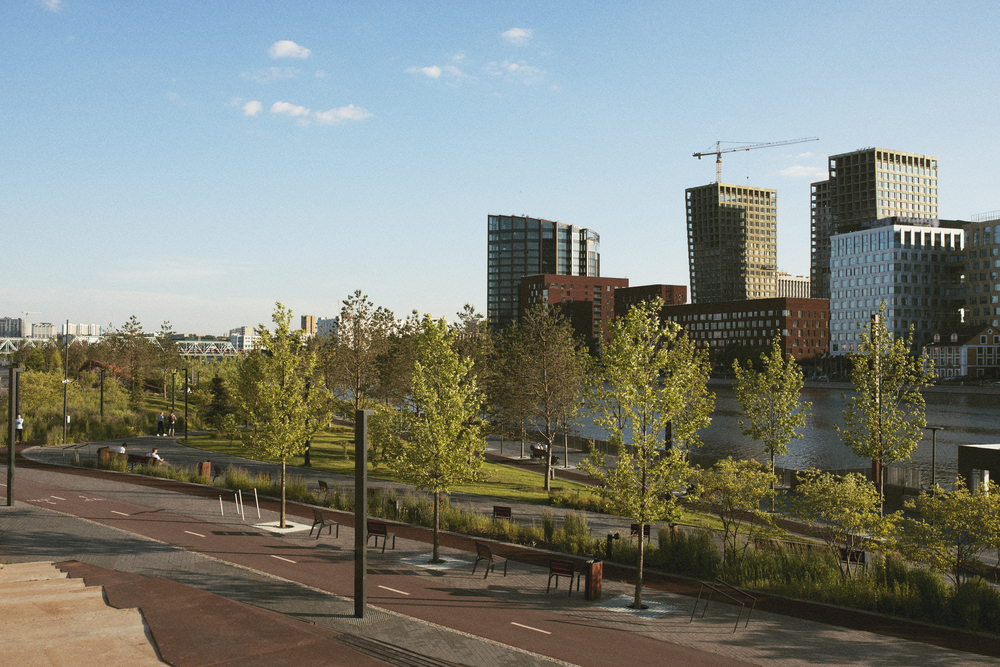
Modern cities are expanding at a pace that demands a rethinking of how urban spaces are designed, built, and managed. With more people moving into urban centres every year, the pressure on infrastructure, natural resources, and public services continues to grow. Sustainable urban planning has emerged as a vital approach to addressing these challenges, offering a framework that balances development with environmental responsibility and long-term livability.
This guide explores why sustainable urban planning is essential for modern cities, how it shapes the built environment, and what it means for communities, businesses, and future generations.
Understanding Sustainable Urban Planning
Sustainable urban planning refers to the process of designing and managing cities in a way that meets the needs of the present without compromising the ability of future generations to meet their own. It is rooted in principles of environmental protection, social equity, and economic resilience. Rather than focusing solely on short-term growth, this approach takes a holistic view of how cities function, from transportation networks and energy systems to green spaces and housing.
At its core, sustainable urban planning aims to create environments where people can live, work, and thrive. It considers how land is used, how buildings are designed, how waste is managed, and how communities are connected. The goal is not only to reduce the environmental footprint of urban areas but also to enhance the quality of life for everyone who lives in them.
Why Cities Need a Sustainable Approach
As urban populations grow, so do the challenges associated with congestion, pollution, energy consumption, and resource depletion. Traditional planning models, which often prioritise rapid expansion over thoughtful design, can lead to sprawling developments that strain public services and degrade natural landscapes.
Sustainable urban planning addresses these issues by promoting compact, well-connected communities that reduce the need for long commutes and excessive infrastructure. It encourages the integration of green spaces, pedestrian-friendly streets, and efficient public transport systems, all of which contribute to healthier, more livable cities.
Beyond the immediate benefits, a sustainable approach to urban planning also builds resilience. Cities designed with sustainability in mind are better equipped to handle the effects of climate change, from rising temperatures to extreme weather events. By incorporating features such as urban forests, permeable surfaces, and renewable energy systems, planners can help cities adapt to a changing world while maintaining a high standard of living.
The Role of Green Infrastructure
Green infrastructure is a cornerstone of sustainable urban planning. This includes parks, gardens, green roofs, and urban forests, as well as systems for managing stormwater and improving air quality. These elements serve multiple purposes: they provide recreational spaces for residents, support biodiversity, and help regulate temperatures in densely built areas.
Incorporating green infrastructure into city planning is not just about aesthetics. It plays a practical role in reducing the urban heat island effect, managing flood risk, and improving public health. Cities that invest in green spaces often see benefits in terms of community well-being, property appeal, and overall environmental quality.
You can also see how these principles come to life in projects like the Alaya Eco-Friendly Villas, which demonstrate sustainable design in practice.

Smart Mobility and Connected Communities
Transportation is one of the largest contributors to urban emissions. Sustainable urban planning prioritises alternatives to car-dependent travel, such as cycling networks, walkable neighbourhoods, and efficient public transit. By reducing reliance on private vehicles, cities can lower emissions, decrease congestion, and improve air quality.
Smart mobility solutions, including shared transport services, electric vehicle infrastructure, and digital route planning, are becoming increasingly important in this context. These innovations make it easier for residents to move around without adding to the environmental burden, while also improving accessibility for people of all ages and abilities.
When combined with thoughtful land-use planning, smart mobility helps create neighbourhoods where daily needs, from shopping and healthcare to education and recreation, are within easy reach. This not only supports a more sustainable lifestyle but also fosters a stronger sense of community.
Energy Efficiency and Sustainable Building Design
The built environment accounts for a significant share of global energy consumption. Sustainable urban planning encourages the design and construction of energy-efficient buildings that minimise resource use while maximising comfort. This includes features such as high-performance insulation, passive solar design, and the integration of renewable energy systems like solar panels.
Energy-efficient building design is not limited to new developments. Retrofitting existing structures to improve their performance is equally important, especially in older urban areas where buildings may fall short of current standards.
These principles are already being applied in forward-thinking developments around the world. Projects that prioritise environmental responsibility in their design and construction set a standard for what modern urban living can look like.
Water Management and Resource Conservation
Water is one of the most critical resources in any urban environment, and its management is a key concern in sustainable urban planning. Cities face growing pressure to ensure reliable water supplies while also protecting water quality and reducing waste.
Sustainable planning addresses these challenges through a combination of strategies, including rainwater harvesting, greywater recycling, and the use of water-efficient fixtures in buildings. At a larger scale, urban planners are designing systems that capture and treat stormwater, reducing the burden on municipal water infrastructure and helping to prevent flooding.
By integrating water management into the fabric of urban design, cities can become more resilient to drought, reduce their dependence on external water sources, and ensure that this essential resource is used responsibly.
Community Engagement and Social Equity
Sustainable urban planning is not solely about environmental concerns; it also places a strong emphasis on social equity and community involvement. For any urban plan to succeed, it must reflect the needs and aspirations of the people who live in the city.
This means engaging residents in the planning process, ensuring access to affordable housing, and creating public spaces that serve diverse communities. It also means addressing issues such as access to healthcare, education, and employment opportunities, particularly in underserved areas.
When communities are involved in shaping their own neighbourhoods, the results tend to be more inclusive, more resilient, and more responsive to local needs. This participatory approach is a hallmark of effective sustainable planning and helps build trust between residents, planners, and local authorities.
Economic Benefits of Sustainable Planning
The economic case for sustainable urban planning is strong. Cities that embrace sustainable practices often attract investment, create jobs, and stimulate innovation. Green infrastructure projects, energy-efficient buildings, and smart mobility systems all generate economic activity while contributing to a higher quality of life.
For property developers and investors, sustainability is increasingly seen as a driver of long-term value. Properties in well-planned, sustainable communities tend to hold their value well and attract strong demand from buyers and tenants who prioritise quality of life and environmental responsibility.
Moreover, sustainable planning can reduce the long-term costs associated with infrastructure maintenance, healthcare, and disaster recovery. By investing in resilient, well-designed urban environments, cities can avoid many of the expenses that come with reactive, short-term planning.
Looking Ahead: The Future of Urban Development
The shift toward sustainable urban planning is not a passing trend; it is a fundamental change in how cities are conceived, designed, and managed. As environmental challenges intensify and urban populations continue to grow, the need for thoughtful, responsible planning will only become more pressing.
Cities that embrace this approach today are laying the groundwork for a future that is healthier, more equitable, and more resilient. From green infrastructure and smart mobility to energy-efficient buildings and community engagement, the principles of sustainable urban planning offer a roadmap for creating cities that truly work for everyone.
As the real estate sector continues to evolve, the integration of sustainability into every stage of development, from design and construction to management and renewal, will be essential. Companies and communities that prioritise these values are not only contributing to a better world but also positioning themselves for lasting success.
Conclusion
Sustainable urban planning is more than a concept; it is a necessity for modern cities facing the twin pressures of rapid growth and environmental change. By prioritising green infrastructure, energy efficiency, smart mobility, water conservation, and social equity, cities can create environments that support both people and the planet.
The choices made today in urban planning will shape the cities of tomorrow. For communities, businesses, and individuals alike, embracing sustainable planning is a step toward a future defined by resilience, responsibility, and a higher quality of life. If you are considering a move toward sustainable living, explore the available projects or learn more about relocating to Cyprus.





 +
+ claudia@karmadevelopers.com.cy
 16 Kennedy Avenue (Kapparis), Paralimni